
Invasive species are “a species that is non-native to the ecosystem under consideration and whose introduction causes or is likely to cause economic or environmental harm or harm to human health.” Non-native species are those that did not occur in Michigan’s ecological communities prior to widespread European settlement.
Sources for information about Michigan invasive species:
Kent Conservation District Invasive Species Strike Team
Michigan Invasive Species Coalition
Midwest Invasive Species Information Network (MISIN)
West Michigan Conservation Network (WMCN)
A Big Win for the Conservation Community!
Six species have been added to Michigan’s invasive plant lists because of the “impacts they may have on the environment, human health, and productions systems” following the MI Commission of Agriculture & Rural Development vote on May 20, 2026.
Water hyacinth and Water lettuce are prohibited. It will be unlawful to introduce, import, sell, andpossess with intent to distribute these two species after June 19, 2026.
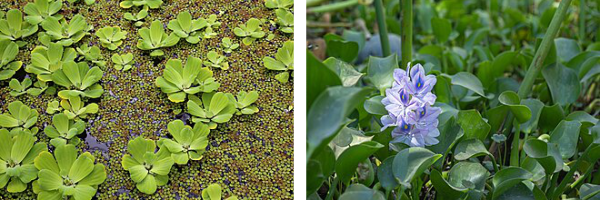
Water Hyacinth—R Castillo, Wikimedia Commons
Japanese barberry, Glossy buckthorn, Callery pear, and Common buckthorn have been added to the restricted species list. On January 1, 2028, it will be unlawful to introduce, import, sell, possess with intent to distribute, or intentionally propagate these species.
Wild Ones River City is grateful to all who helped fight for this ruling.
Read the MDARD Invasive Species Order
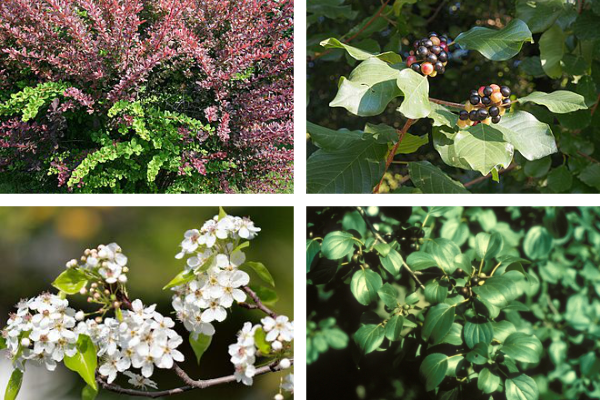
Glossy Buckthorn—Luis Fernández García, Wikimedia Commons
Callery Pear—Matthew Field, Wikimedia Commons
Common Buckthorn—Richard Webb, Bugwood.org
Downloadable PDFs:

Learn about Garlic Mustard and 10 more invasive species in West Michigan by reviewing this comprehensive brochure issued by the West Michigan Cooperative Invasive Species Management Area (CISMA): https://wmconservation.files.wordpress.com/2020/03/invasive-species-brochure-1.pdf

Japanese barberry – Invasive species Best Control Practices, Michigan Department of Natural Resources
Japanese Barberry (Berberis thunbergii) Harbors Ticks
“…[Japanese] barberry has been implicated in the spread of Lyme disease. Researchers have noted higher densities of adult deer ticks and white-footed deer mice under barberry than under native shrubs. Deer mice, the larval host, have higher levels of larval tick infestation and more of the adult ticks are infected with Lyme disease. When barberry is controlled, fewer mice and ticks are present and infection rates drop.” —Michigan DNR
Ticks and Your Health booklet – MI Department of Health and Human Services

Kent Conservation District
Invasive Bittersweet brochure pdf

Michigan State University A Field Identification Guide to Invasive Plants in Michigan’s Natural Communities PDF

Aquatic Invasive Plants: A Field Guide for Michigan Lakes, Streams, and Ponds
Michigan State University Extension
April 17, 2025 – Erick Elgin, Jo Latimore, Paige Filice, Kelsey Bockelman, Lois Wolfson
West Michigan Conservation Network Invasive Species door hangers
How Invasive and Exotic Shrubs Affect Breeding Birds 2012-article-from-Birding-magazine.pdf
Meet the invasive plant that’s killing off Michigan’s spring wildflowers April 9, 2024 Kelli House, Bridge Michigan
- Lesser celandine Ficaria verna, is spreading rapidly in lower Michigan, prompting an effort to combat the invasive plant
- Despite its threats, the plant is legal to buy and sell in Michigan
- A small group of advocates is pushing for regulations, while urging gardeners to be alert
- Lesser celandine should not be confused with Greater Celandine (also and exotic invasive) and Michigan native Celandine Poppy, Stylophorum diphyllum