Description
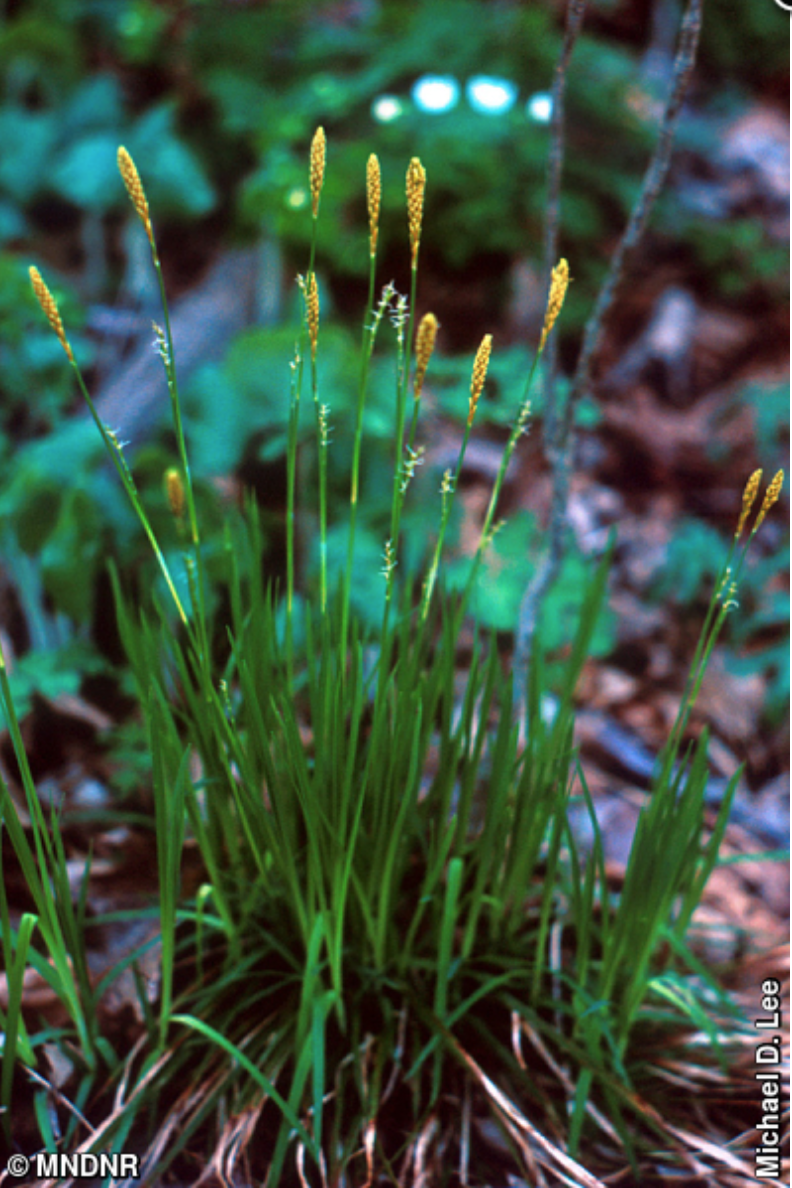
Pretty Sedge, Carex woodii
QUART POT
Light: Shade to part-shade
Moisture: Average to moist, Cool
Soil: Rich to average, Well-drained
Height: 6–12 inches
Bloom Season: May–June
Bloom Color: Yellow green
Notes:
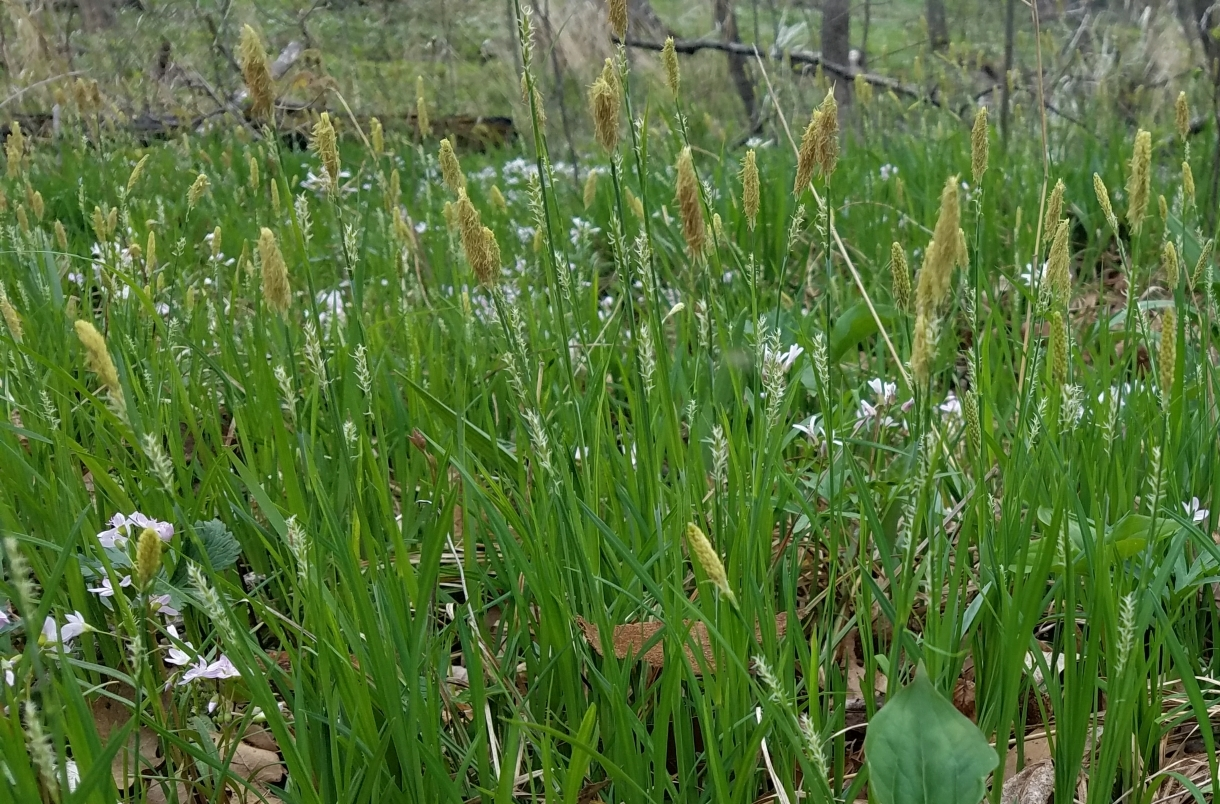
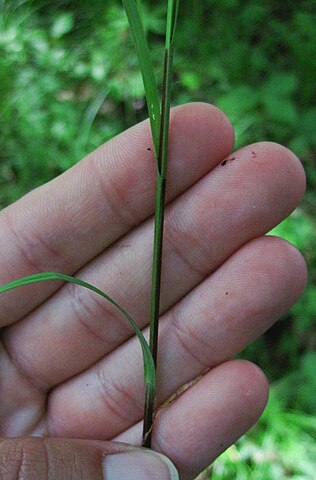
Pretty Sedge is a lovely woodland species with a low-growing, slow-spreading habit. The finely-textured, arching leaves (blades) are alternate, up to 10 inches long, and an 1/8 inch wide. The leaf sheaths are burgundy in color, especially close to the base. The foliage emerges blue-green in spring, turns green as temperatures increase in summer, and remains green during much of winter. This is a cool climate species that attains most of its growth during lower temperatures.
In mid-spring, erect stems rise above the leaves bearing upright, yellow-green spikelets with white or purplish scales. After flowering, seed clusters appear and are dispersed by early summer. Seed production is sparse however. This sedge spreads primarily by shallow underground rhizomes, forming loose to dense colonies.
Sedges in general support many insects, which in turn feed birds. Many sedges also support the caterpillar stage of butterflies. The seeds are eaten by small wildlife and birds.
Pretty Sedge exemplifies the ornamental value and versatility of sedges in a garden setting. It is an excellent groundcover or edging plant for shade or wildflower gardens. Overtime, it will form a denser mat than some other sedges, and therefore is better at suppressing weeds and acting as a lawn substitute. It is low-maintenance, drought tolerant, good for erosion control, unpalatable to deer.
Gallery photo credits:
1. Michael D. Lee, ©MNDNR
2. & 3. Cassi Saari, CC BY-SA 4.0 <https://creativecommons.org/licenses/by-sa/4.0>, via Wikimedia Commons https://commons.wikimedia.org/wiki/File:Purple_sheath_Carex_woodii.jpg
https://commons.wikimedia.org/wiki/File:Carex_woodii_in_Lake_County,_IL.png
4. Britton, N.L., and A. Brown. 1913. An illustrated flora of the northern United States, Canada and the British Possessions. 3 vols. Charles Scribner’s Sons, New York. Vol. 1: 398. Courtesy of Kentucky Native Plant Society. Scanned by Omnitek Inc., Public domain, via Wikimedia Commons