Description
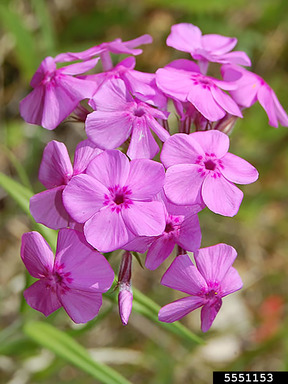
Prairie Phlox, Phlox pilosa
QUART POT
Light: Full Sun
Moisture: Medium, well-drained, tolerates drought
Soil: Sandy loam to clay loam, tolerates rocky soil
Height: 1–2 feet
Bloom Season: May–July
Bloom Color: Pale pink to lavender
Benefits: Butterflies, moths, hummingbirds, or long-tongue bees
Deer Resistance: Protection recommended for first couple years
Notes:
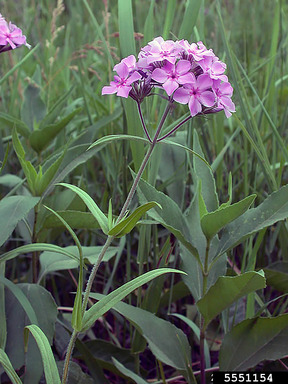
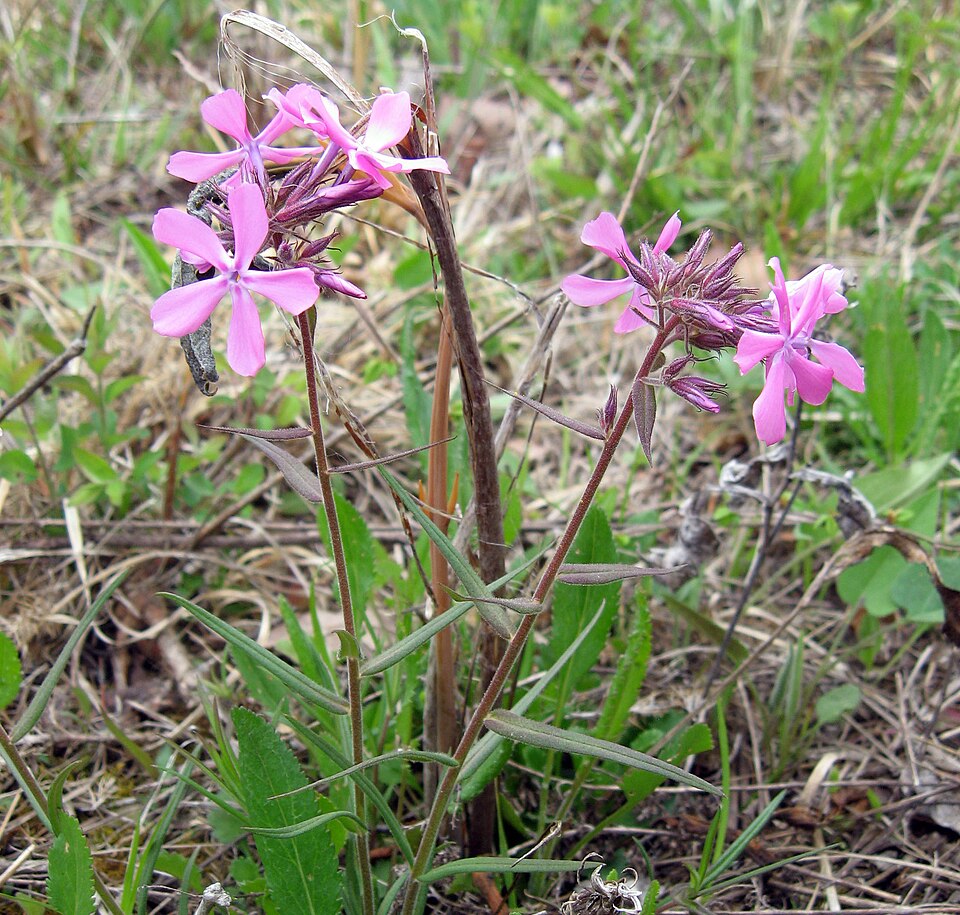
Prairie phlox is a small, but robust upright perennial that grows in tufts of stiff stems with deep green, opposite, 4-inch-long leaves. The leaves are lanceolate in shape, with fine hairs and a prominent central vein.
In early summer, loose clusters of small, starry flowers bloom for about a month. The color of the flowers can vary from lavender to pink to almost white. Whatever the color, the flowers are designed with pollinators in mind! The 5 flat petals joined at the bases, making a perfect “landing pad,” and a deep, narrow tube in the center of the flower is ideal for the tongue of a butterfly, moth, hummingbird, or long-tongue bee. Prairie phlox sometimes has a second more sparse bloom in fall. The fruit is a capsule.
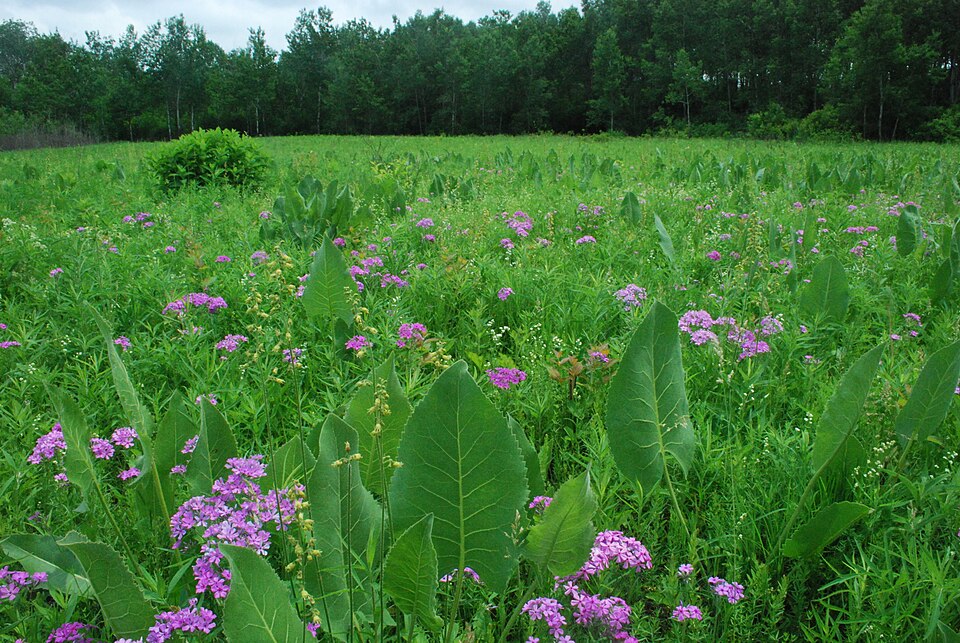
Prairie Phlox is one of our showiest natives that is short in stature. It can add “curb appeal” to your formal flower beds or borders, yet also fits in well with more “wild” landscapes such as rock gardens or meadow/prairie plantings. This plant spreads by rhizomes, slowly increasing in size over time, so may need dividing every couple of years. It appreciates light mulch in summer to keep the roots cool. Easily grown from seed.
Photo credits:
1. Katy Chayka, www.minnesotawildflowers.info, Bugwood.org
2. Peter Dziuk, Minnesota Department of Agriculture, Bugwood.org
3. Mason Brock Central Basin, TN Wikimedia Commons
4. Joshua Mayer – Wikimedia Commons