Description
Black Chokeberry, Aronia melanocarpa
TREEPOT 5 x 5 x 14″
Light: Full Sun, Partial Sun
Moisture: Dry, Medium, Moist
Soil: Clay, Loam, Sand
Height: 4–6 feet
Bloom Season: May
Bloom Color: White
Benefits: Bees, Butterflies, Birds
Notes:
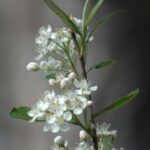
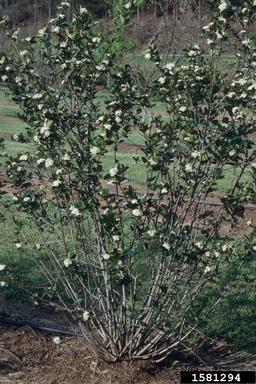
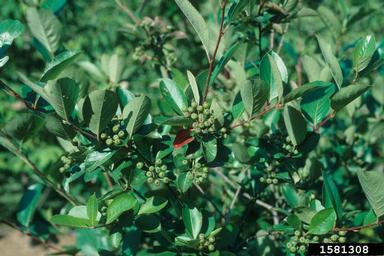
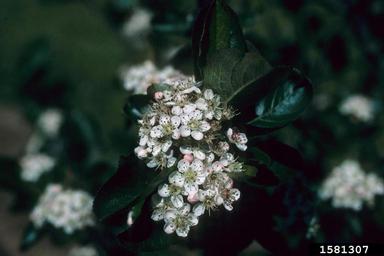
Aronia melanocarpa is a deciduous native shrub that produces an abundance of white flowers with pink anthers, for several weeks in May. In the fall the vibrant leaf color is attractive with tones of orange, red, and burgundy. The shrub is multi-stemmed and is vase-shaped with a rounded top, with mature size typically around five or six feet tall. Black chokeberry slowly suckers and eventually forms a thicket that provides shelter for a variety of birds.
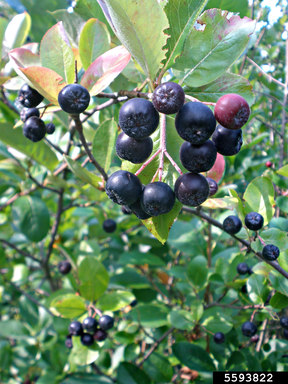
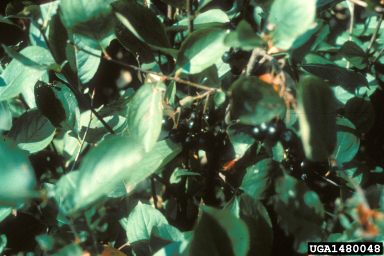
The blackish-purple fruits offer a feast for birds in late winter. Birds that eat the fruit include cedar waxwings, chickadees, eastern bluebirds, gray catbirds, tufted titmice, ruffed grouse, and robins. The fruit can be used to make jams and jellies, but is extremely tart off the bush.
Black chokeberry is a dependable landscape shrub, and may be used in a shrub border, or allowed to naturalize in an open wooded garden. It can also provide a backdrop for low growing perennials and ground covers. Its adaptability makes it suitable for the rain garden, as well. It tolerates a wide variety of soil types.
The shrub’s flowers are highly attractive to a variety of pollinators especially native bees and butterflies.
It may be browsed by deer and rabbits. Newly planted shrubs can be surrounded with a protective fence or netting until the branches are more developed.
Black chokeberry does not require cross-fertilization. Only one plant is required for abundant fruiting.
Photo Credits:
1 Ansel Oommen, Bugwood.org
2, 3, & 4 John Ruter, University of Georgia, Bugwood.org
5 Richard Webb, Bugwood.org