Description
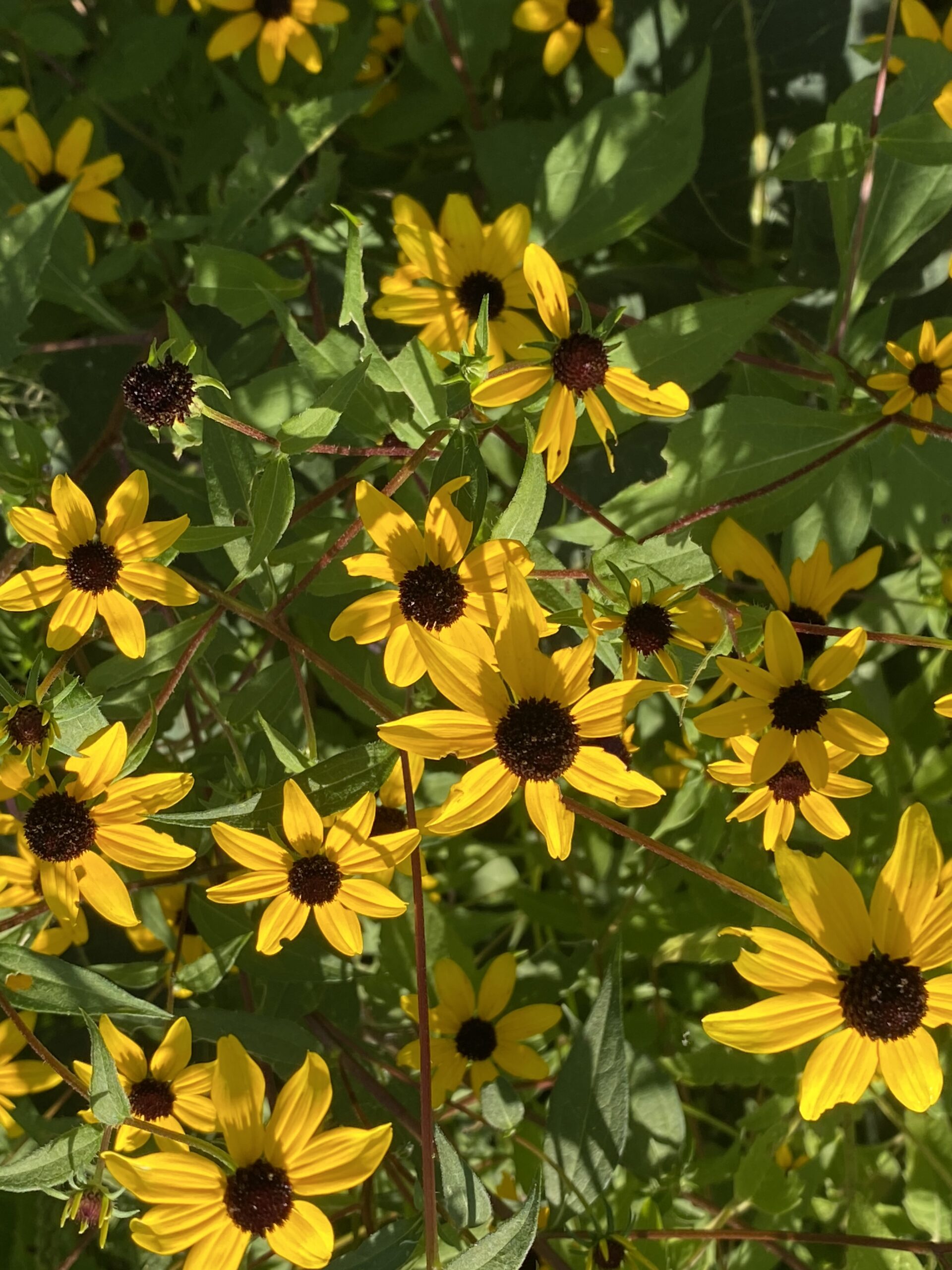
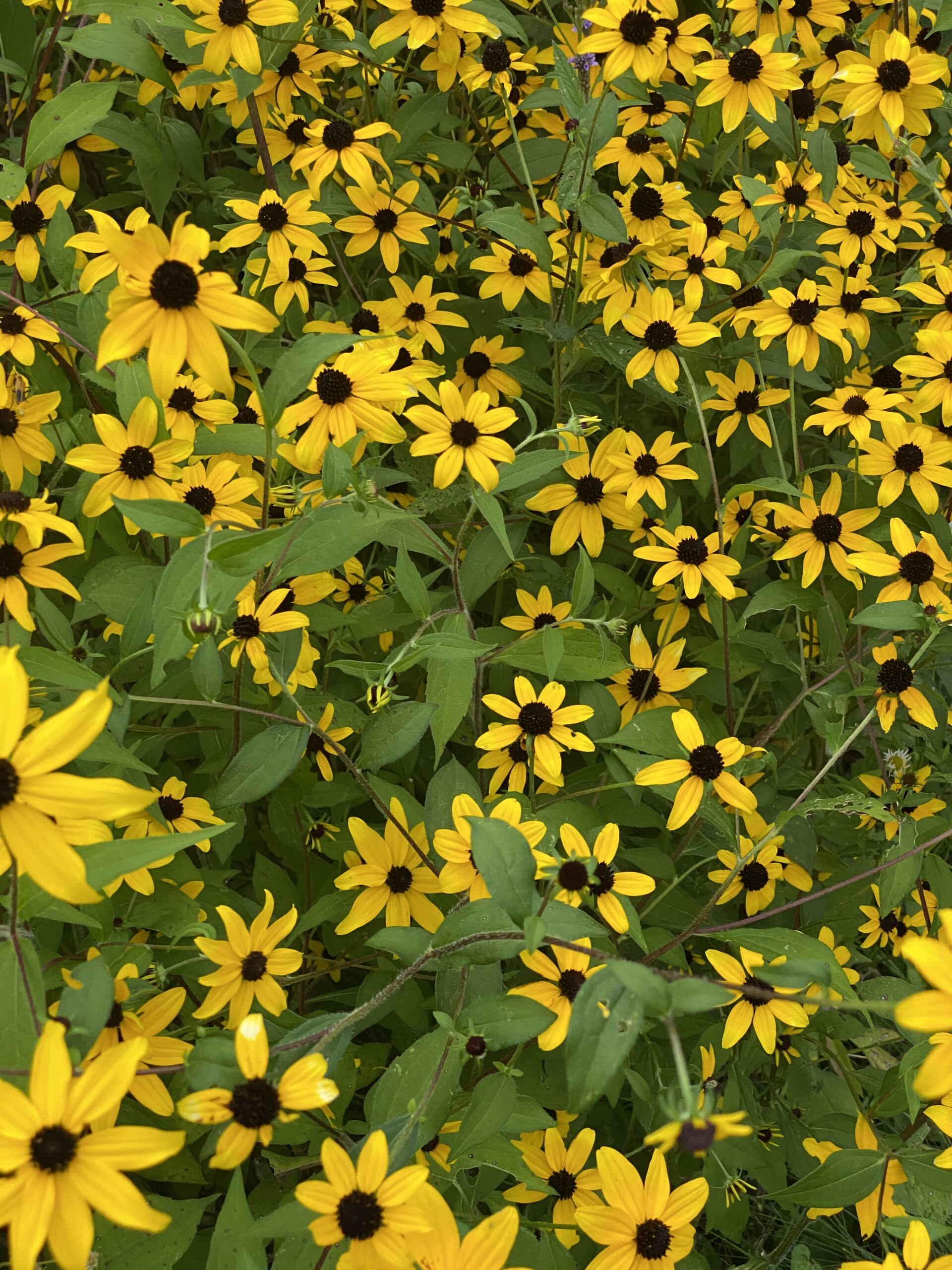
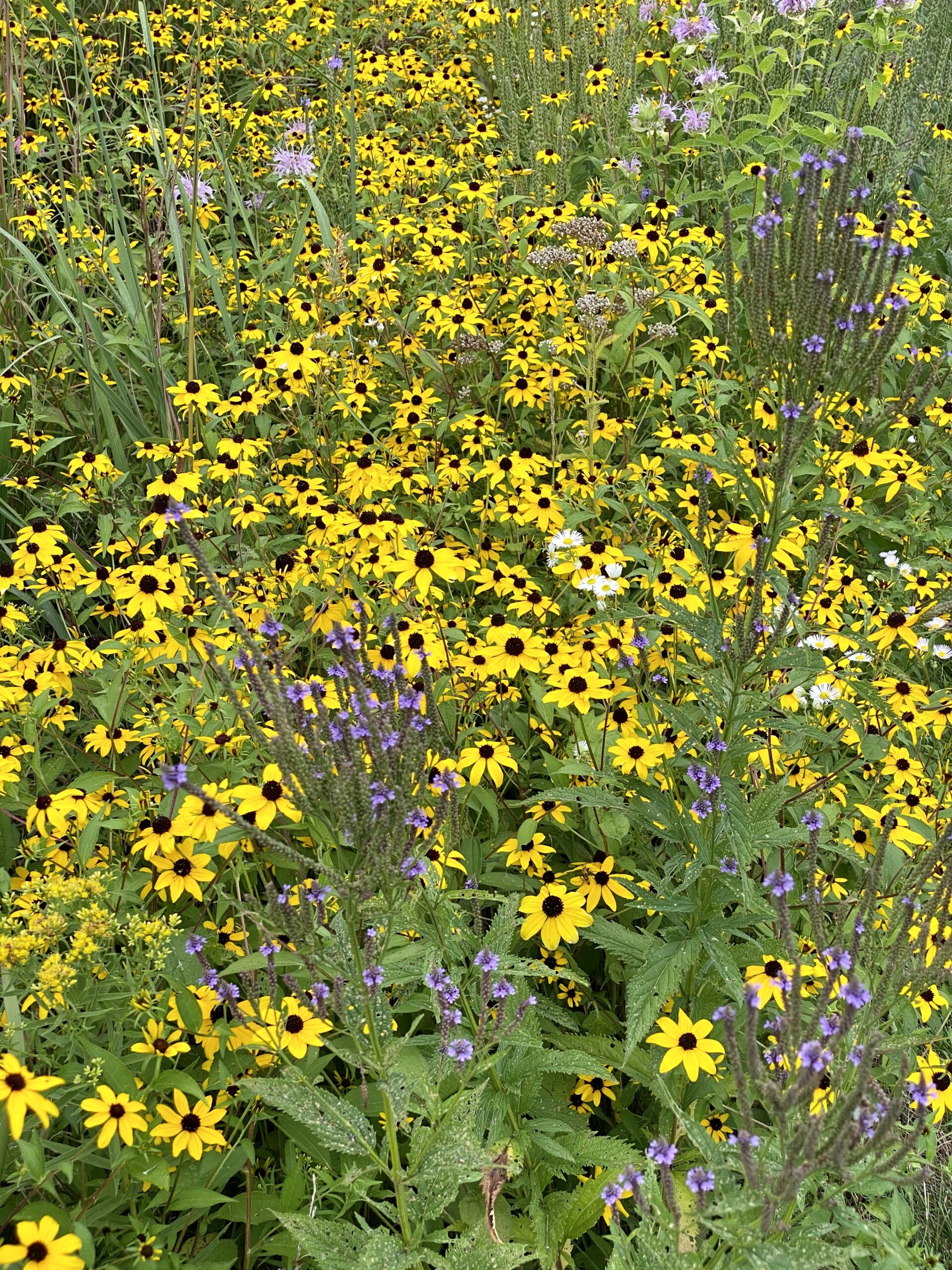
Brown-Eyed Susan, Rudbeckia triloba
QUART POT
Light: Full Sun
Moisture: Average to moist, well-drained
Soil: Best in loose, sandy or loamy soils, but tolerates a range of soil types
Height: 2–3 feet (less frequently 5 feet)
Bloom Season: July–Oct
Bloom Color: Yellow rays with brown center disc
Deer Resistance: Tolerates
Benefits: Birds, Pollinators
Notes:
Brown-eyed Susan is a wiry, densely branched plant with maroon stems and dark green, alternate leaves that are slightly hairy and divided into three oval parts—hence the species name: “triloba.” The rosette of leaves that originate at the base of the stem will persist through winter.
This is a short-lived perennial or biennial that spends its first year developing roots, leaves and perhaps a few blooms. It is in the second year that a full profusion of bright daisy-like flowers sweeps in. The flowers are yellow with purple-brown centers, the pollen and nectar of which attract numerous bees, butterflies, and other beneficial insects. Songbirds, especially American Goldfinches, eat the seeds in fall and through winter.
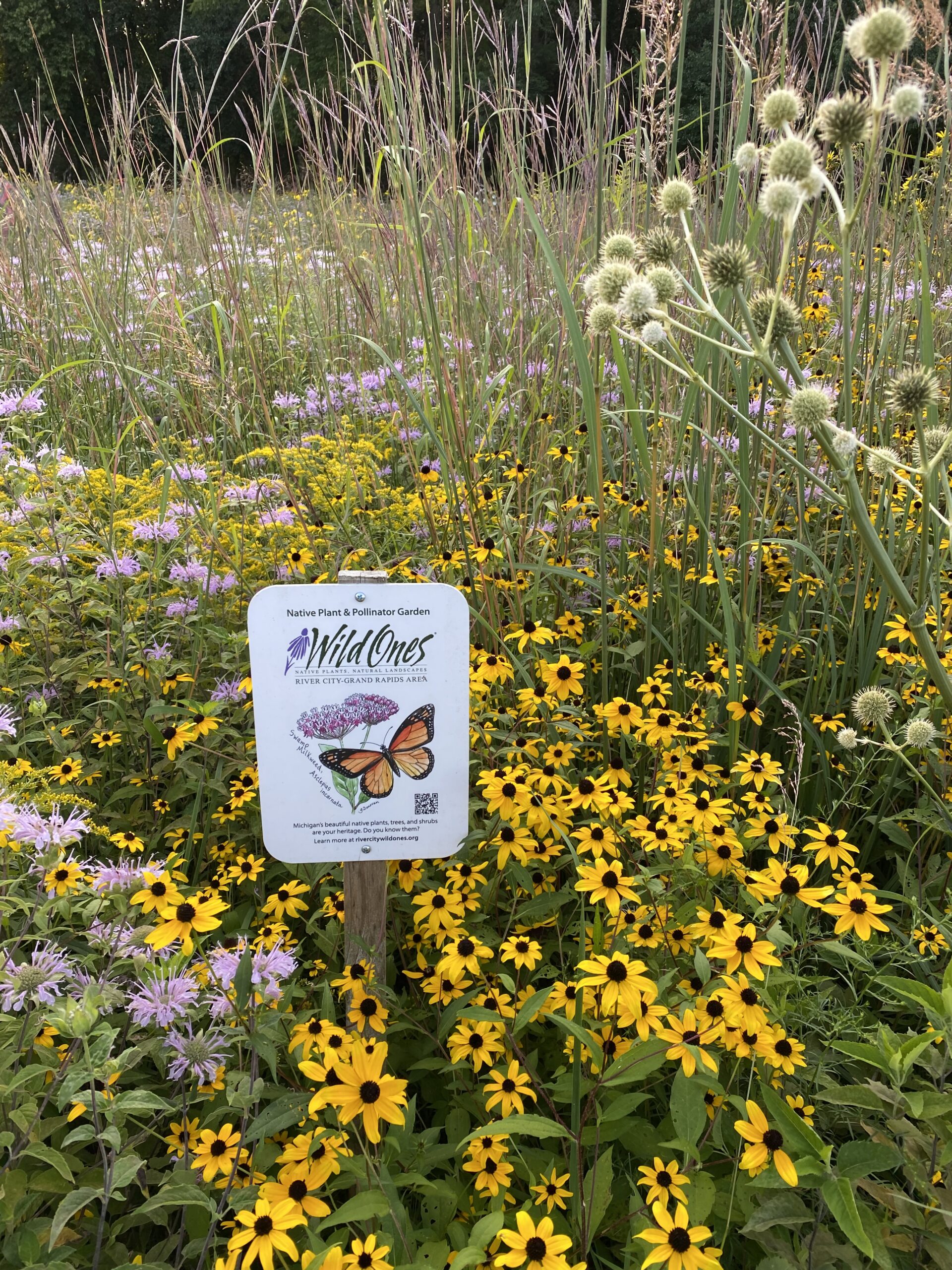
While individual plants may survive only a few years, Brown-eyed Susans self-seed freely and usually persist and naturalize within a garden. Rugged and low-maintenance, this plant tolerates a wide range of soils, drought, and deer predation. Use in pollinator gardens, rock gardens, borders, or naturalized areas. Deadhead spent flowers to encourage additional blooms or to prevent unwanted self-seeding.
This plant is distinguished from Black-eyed Susan (R. hirta) by having a more profuse bloom of smaller flowers with fewer rays per flower.